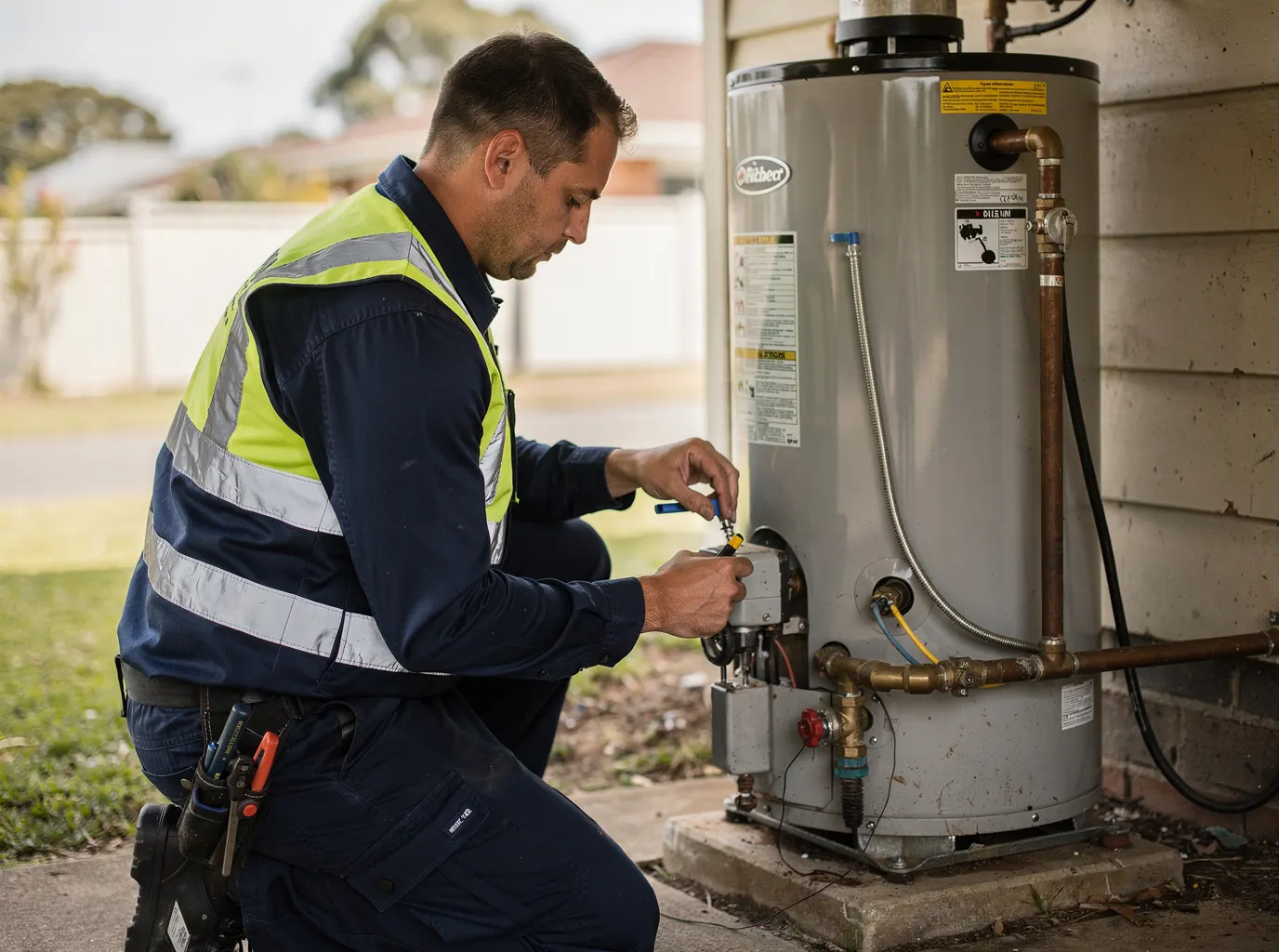
Get back to dependable hot water
Hot water matters at the times a household needs it most: morning showers, washing up and the evening bath. An unreliable system can make those routines difficult even when it still produces some warm water. The useful result is a supply that suits the way your household actually uses it, rather than a replacement chosen only because the existing unit has developed a fault.
A complete loss of hot water and water that runs cold partway through use are different situations. A change affecting one outlet also deserves a different assessment from a change affecting every hot tap. These observations can help distinguish the scope of the problem, but they do not establish which component has failed. Manufacturer troubleshooting depends on the particular model. Avoid applying instructions for a different water heater simply because the controls look similar.
The first decision is whether the problem can be addressed within the existing installation or whether replacement needs to be considered. That decision follows assessment of the actual unit and installation. A cold shower alone does not settle it. Equally, buying a new heater before checking the available installation space and energy supply can leave important choices unresolved.
Repair and replacement are different paths
Repair aims to restore the function of the existing system. Replacement involves selecting a unit and ensuring its installation is suitable. The two paths should not be confused when comparing proposed work: a component repair and a different type of heater may deliver different household outcomes and involve different installation requirements.
If the existing arrangement has generally met your needs, describe the change that made it stop doing so. If it has never supplied enough hot water for the household, that is a separate concern worth considering in a replacement decision. More people using hot water, overlapping showers or changed routines can alter what you need from the system without proving that the existing unit is faulty.
A replacement choice is more useful when it begins with ordinary use. Think about the times hot water is required and whether those demands overlap. Rheem identifies household use, available space, gas availability and tariffs as factors in selection. These factors belong together: an option that suits one household may not suit another property or energy arrangement.
Choose a system for the installation
The space available for a water heater is part of the decision, rather than a detail to leave until a new unit arrives. A change in system type can also raise questions about connections and supply. The manufacturer's installation requirements govern what a particular model needs, so a catalogue description is not a substitute for checking the actual installation.
Where gas conversion is being considered, Rheem notes that gas supply and the capacity of existing pipework matter. Having gas somewhere at a property does not by itself establish that the proposed heater can be connected as planned. This is a reason to assess the installation before committing to a particular replacement, rather than a reason to assume conversion is impossible.
Heat pumps and roof-based solar hot water also work differently. Rheem explains that a heat pump extracts warmth from surrounding air and does not require solar roof collectors. That distinction can help you discuss suitable options without treating every product described as energy efficient as the same installation. Its suitability for your home still depends on the particular model and site.
Tariffs can affect the way a household uses and pays for hot water. Discuss the energy arrangement that applies to your property when considering options. Household use and the installation are part of a useful running-cost comparison, alongside the energy arrangement that applies to the property.
Keep fault response safe
Use the instructions supplied for the actual water heater when checking ordinary user settings. Do not open equipment or attempt gas or electrical repairs as a way to restore supply. A plumbing fault and a problem involving a different regulated trade can require different work, so the appropriate practitioner and work category need to match the task.
Water escaping from a unit, a change in supply and a control warning are different observations. An assessment should consider the actual situation rather than treating every symptom as evidence that a tank has failed. If you notice an unsafe condition, use the relevant emergency route instead of waiting for an ordinary website request to be answered.
Hot water in a rented home
Consumer Affairs Victoria includes failure of the hot-water service among urgent rental repairs. Renters should contact the rental provider or agent straight away. A request through this website does not replace that immediate contact or the rental property's established repair arrangements.
For planned changes in a rented property, establish the authorised work through the appropriate property contact. For a failed service, keep the urgent-repair response separate from a future upgrade discussion. The immediate problem is loss of an essential household service; decisions about choosing a different system can follow through the relevant arrangements.
Request hot water plumbing help
Request Plumbing Help for a failed water heater, unreliable hot-water supply or a planned replacement. State the result you need, such as restoring supply or choosing a system that better suits household use. The Contact page provides the request route. For general practitioner checks, use the plumber checks resource.