Suspected gas leak: use the emergency route
If you smell gas, do not use this website request as the emergency response. Energy Safe Victoria says to contact your gas distributor immediately using the emergency number on your gas bill. Keep people away from the affected area. Turn off the gas only if it is safe to do so.
Extinguish flames, do not smoke or use matches, and do not operate electrical switches or devices. If gas is smelled inside, ventilate the area. Follow the distributor's instructions for the particular situation. The emergency route is separate from an ordinary request about planned work, and sending a website form does not establish that emergency help is on its way.
These precautions matter before discussing a repair or a new appliance. Do not try to locate a leak by testing connections yourself, operate equipment to see whether the smell changes, or treat a brief disappearance of the smell as confirmation that the installation is safe. The distributor is the immediate contact for a suspected gas leak.
Plan the gas work you want completed
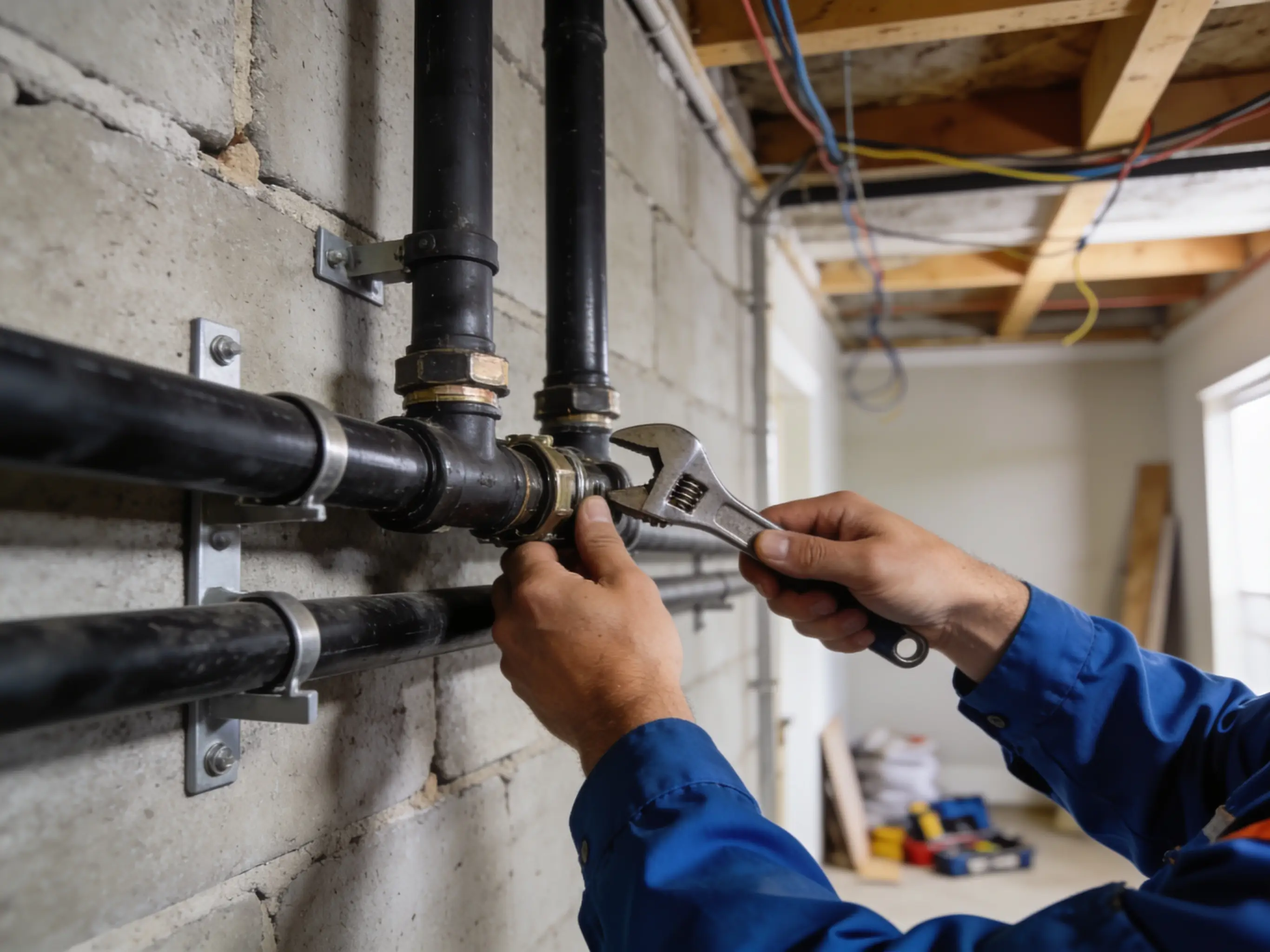
Planned gas plumbing starts with the household change you want to make. That might be a different hot-water arrangement or work connected with an appliance change. The practical goal is an installation suited to the equipment and property, with the appropriate practitioner carrying out the relevant work.
A new appliance is one part of that installation. Existing supply, connection arrangements and the requirements of the particular product can affect what is needed. Buying equipment before those matters have been considered can narrow your options prematurely. An appliance listing alone does not establish that it can replace an existing product without changes to the installation.
If a proposed change involves moving equipment, distinguish it from replacing equipment in the same position. A different location can raise different installation questions. If the proposal is still flexible, consider the installation requirements before deciding on a final arrangement rather than treating the product's appearance or purchase price as the whole decision.
Match the practitioner to the work
The Building and Plumbing Commission regulates Victorian plumbing and identifies practitioner classes and categories. Checks should relate to the work being proposed. A general description of someone as a plumber does not replace checking the relevant category for a gas task.
The BPC practitioner directory and practitioner identification support those checks. Use the plumber checks resource for the source links and general process. The check belongs to the actual person and proposed work.
Gas work categories differ. The proposed gas task needs to be checked against the applicable BPC category, including its documentation requirements. General compliance certificate guidance is kept with the practitioner checks resource.
Gas hot-water changes
When a household is considering a gas hot-water system, the available supply is part of the choice. Rheem identifies gas availability alongside household use, available space and tariffs as factors in selecting a water heater. Those factors help frame a suitable household result rather than simply comparing model names.
Rheem also notes that a gas conversion depends on gas supply and existing pipe capacity. A property having a gas connection does not settle whether the proposed water heater and installation can use it as planned. The relevant question is the suitability of the actual arrangement for the selected equipment.
Consider how the household uses hot water as well as the energy source. If several people need supply around the same time, that pattern is useful in the selection discussion. If the goal is to change from another type of system, treat the change as an installation decision rather than assuming the existing connections can be reused unchanged.
The hot water service page covers broader household selection and repair-versus-replacement questions. Detailed gas emergency precautions remain here so that a suspected leak is never presented as a routine product-choice problem.
Separate immediate hazards from future improvements
For a future improvement, Request Plumbing Help for the change you want to make. If gas is smelled, use the immediate distributor response at the beginning of this page.
For non-emergency planned work, the useful result is a clear installation choice that fits the household and equipment. Avoid making safety assumptions from the age of an appliance, its appearance or another person's experience with a similar product. The actual installation and applicable requirements govern the work.
Request planned gas plumbing help
Use the Contact page to Request Plumbing Help for planned residential gas work or a gas-related appliance change. Describe the change you want to achieve. Keep any suspected gas leak on the distributor's immediate emergency route rather than using the ordinary enquiry control.